


Vol 2, No 1 (2026): Current Issue
Original Article
Pediatric Pilonidal Sinus Disease: A Single-Center Cohort Study of Clinical and Surgical Outcomes
Abdulwahid M. Salih, Imad S. Sedeeq, Muhammed S. Jaff, Abdullah A. Qadir, Khalis Z.Hamad, Bahman...
Introduction: Pilonidal sinus disease is increasingly recognized in the pediatric population, yet evidence on its clinical characteristics and surgical outcomes in children and adolescents remains limited. Given this gap, this study aimed to characterize the clinical presentation and surgical outcomes of natal cleft pilonidal sinus in a large pediatric cohort.
Methods: This retrospective cohort study included patients aged ≤18 years diagnosed with natal cleft pilonidal sinus over a five-year period. Clinical and sociodemographic data were extracted from medical records. All patients underwent minimal excision under local anesthesia with healing by secondary intention.
Results: A total of 1,751 patients were included, with a median age of 17 years and a near-equal sex distribution. Family history was positive in 65.8% of cases. Abscess formation was inversely associated with time to presentation (p < 0.001), while granuloma presence was associated with longer disease duration (p < 0.001). Females demonstrated higher abscess rates than males (30.2% vs 20.9%; p < 0.001). A positive family history was associated with earlier presentation (p = 0.007). Healing was achieved in 95.1% of cases, with a recurrence rate of 20.0% at a median follow-up of 36 months.
Conclusion: In pediatric pilonidal sinus disease, abscess and granuloma formation were associated with symptom duration, higher abscess rates in females, and earlier presentation with positive family history. Minimal excision under local anesthesia with outpatient secondary-intention healing warrants prospective comparative evaluation.
Fine-Needle Aspiration Cytology and Salivary Gland Tumors: A Cross-Sectional Study
Aras J. Qaradakhy, Ari M. Abdullah, Karzan M. Salih, Sarwat T. San Ahmed, Mariwan L. Fatah,...
Introduction: Salivary gland neoplasms are relatively rare and diverse, requiring accurate preoperative diagnosis. Although the Milan System for Reporting Salivary Gland Cytopathology (MSRSGC) has improved diagnostic consistency, fine-needle aspiration cytology (FNAC) performance remains variable. This study aims to assess FNAC’s diagnostic accuracy in salivary gland tumors and determinants affecting its performance.
Methods: This cross-sectional study was conducted at a tertiary care center and included patients with suspected salivary gland tumors. The FNAC was performed using a 22–24-gauge needle. All cases underwent histopathological examination. FNAC accuracy was assessed by comparing findings with final histopathological diagnosis, calculating sensitivity, specificity, positive predictive value, negative predictive value, and accuracy. Two diagnostic settings were defined based on MSRSGC categories.
Results: Among 272 FNAC cases, 232 (85.3%) originated from the parotid gland. The mean patient age was 44.90 years, with 151 (55.5%) females. Histopathological examination identified 11 (4.0%) non-neoplastic lesions, 241 (88.6%) benign tumors, and 20 (7.4%) malignant tumors. FNAC sensitivity was 84.6% in Setting 1 and 88.2% in Setting 2. The FNAC success was significantly lower for submandibular gland lesions (OR = 0.218, p-value= 0.002).
Conclusion: Salivary gland FNAC is a minimally invasive, safe, and cost-effective diagnostic technique that may serve as an appropriate first-line investigation in the evaluation of major salivary gland lesions.
Multifocal Fibrosing Thyroiditis: A High-Volume Center Experience
Abdulwahid M. Salih, Ari M. Abdullah, Aras J. Qaradakhy, Rawa M. Ali, Karzan M. Salih, Ahmed H....
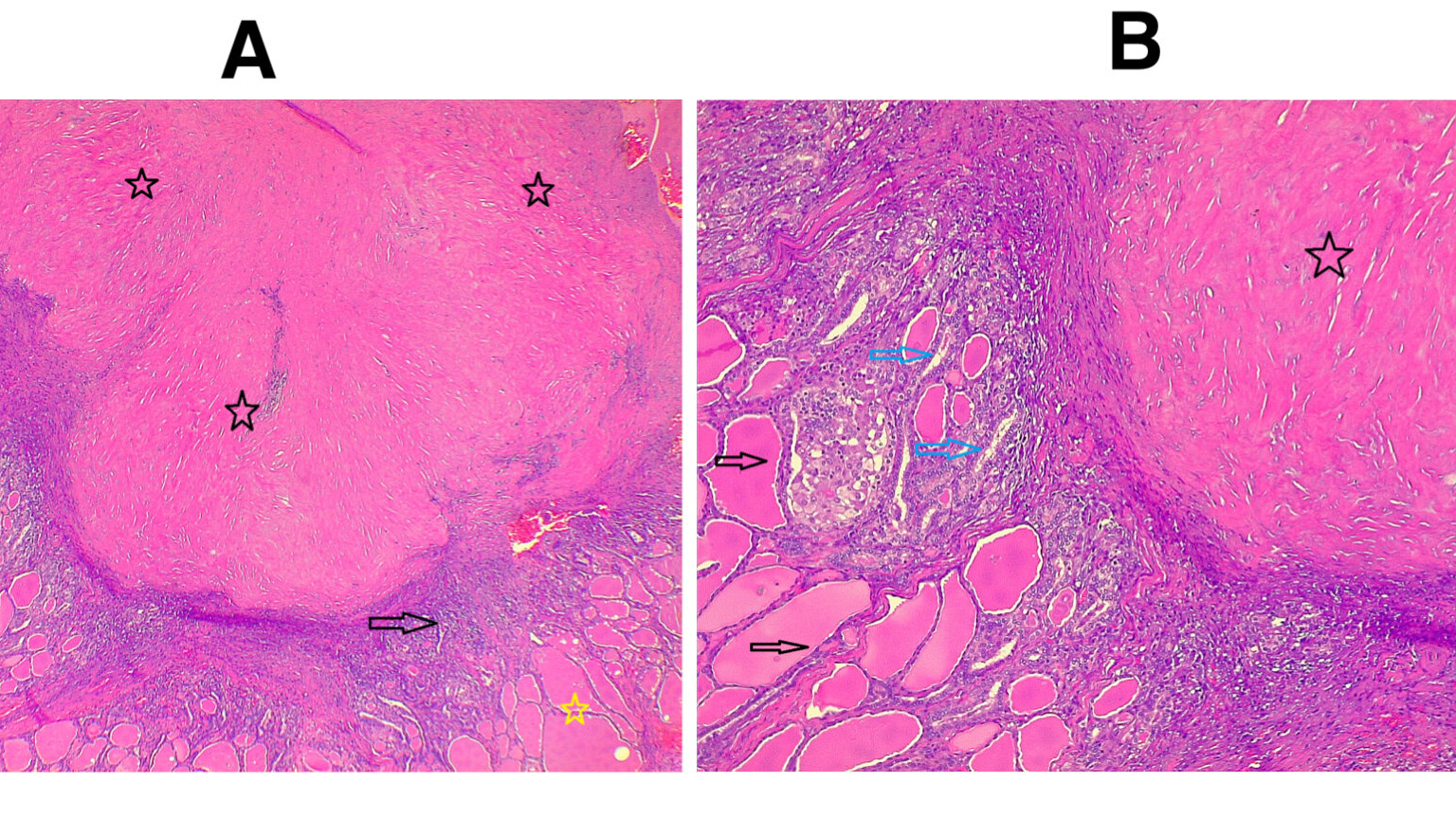
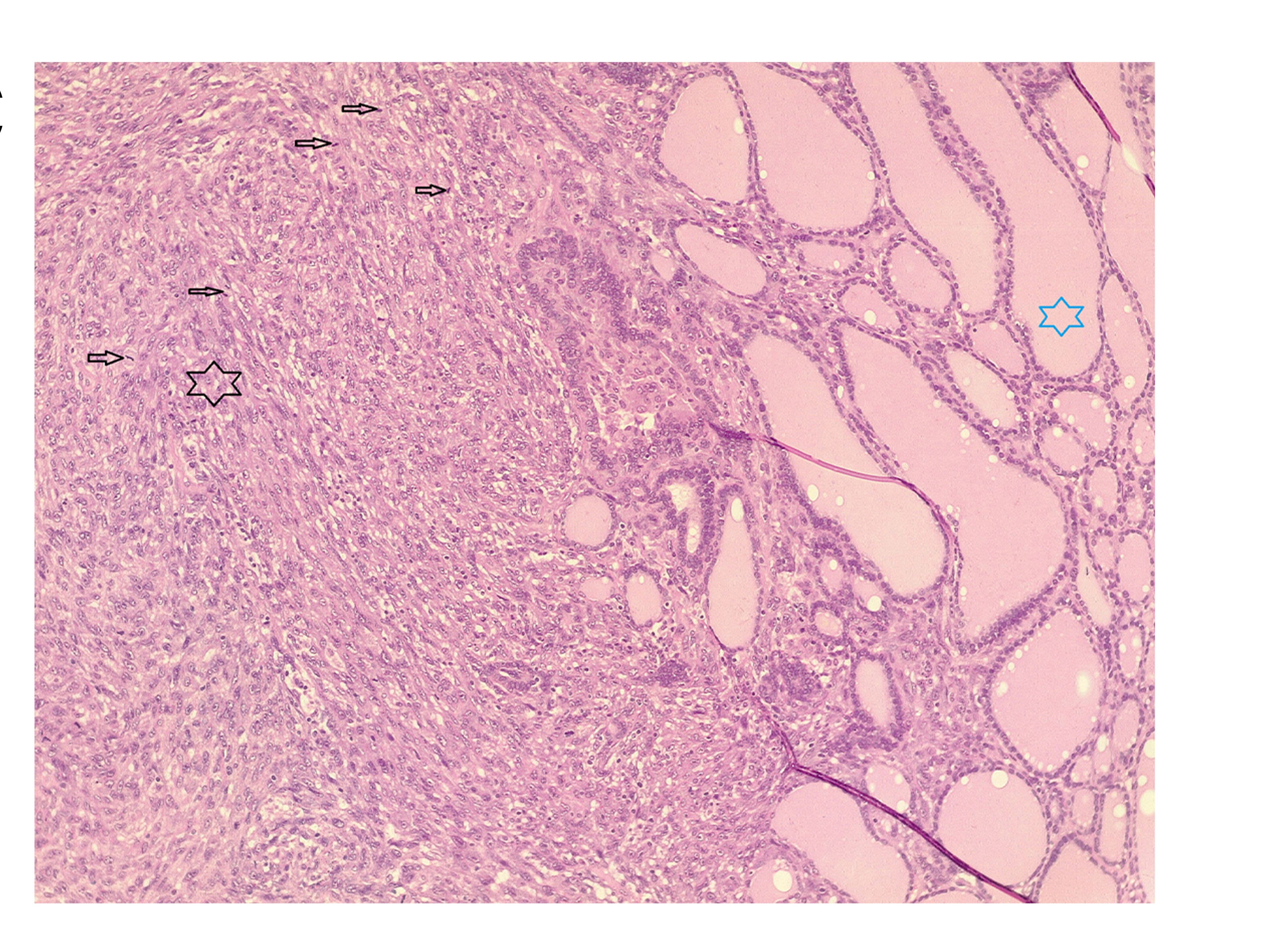
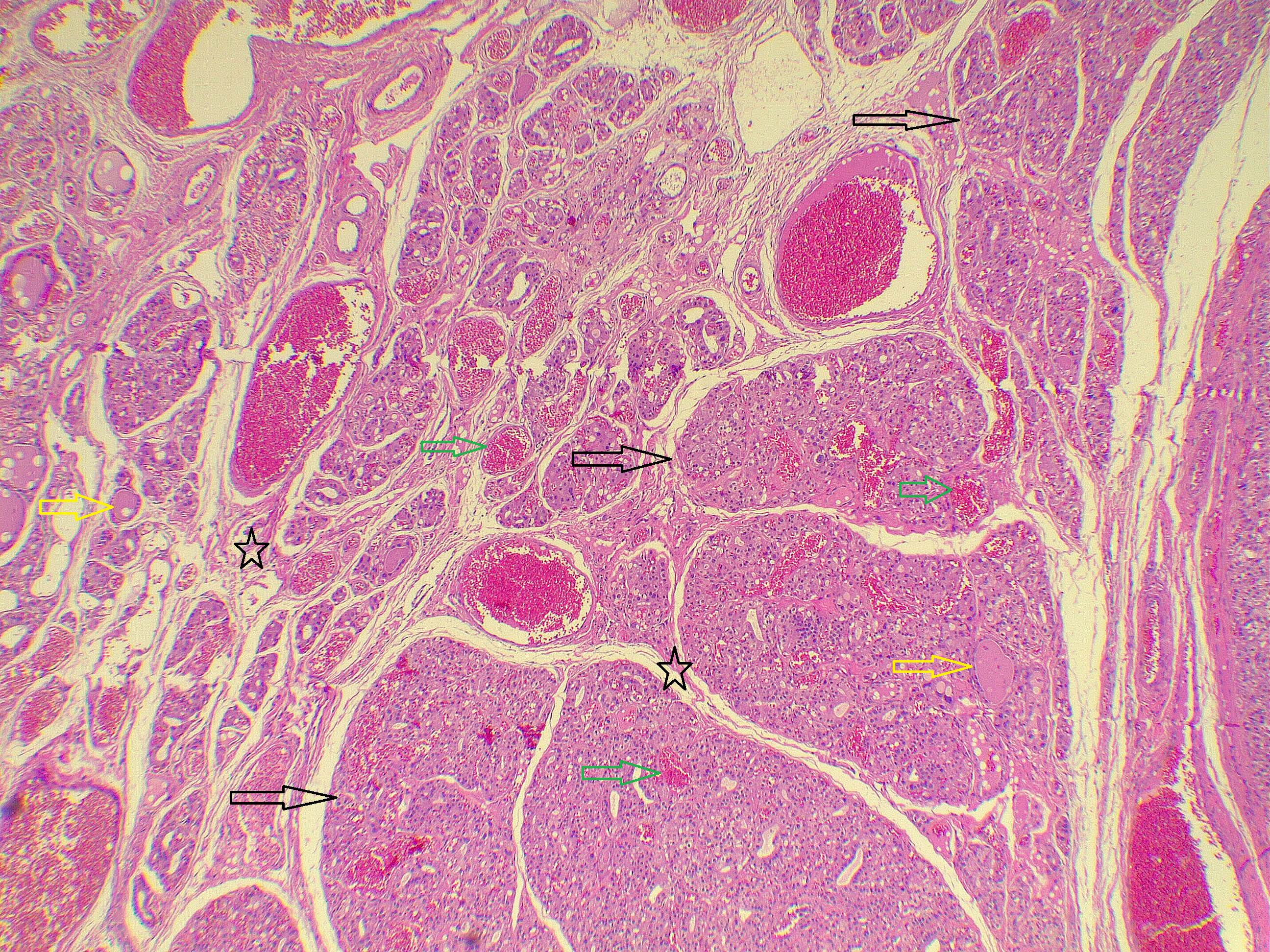
Introduction: Multifocal fibrosing thyroiditis (MFT) is a rare and underrecognized fibroinflammatory lesion of the thyroid characterized by multiple discrete fibrotic foci with reactive epithelial changes. Its morphologic overlap with papillary thyroid carcinoma (PTC) and its reported coexistence with PTC have generated ongoing debate regarding its clinical and biological significance. The primary aim of this study is to characterize the clinicopathologic features of MFT across a large single-center experience.
Methods: A retrospective case series was conducted at a single endocrine center between October 2022 and January 2026. All patients with histopathologically confirmed MFT were included. Demographic, clinical, laboratory, radiologic, surgical, and histopathologic data were collected and analyzed descriptively.
Results: Twenty-seven patients were identified, with a mean age of 45.1 ± 8 years, of whom 22 (81.5%) were female. Twenty-four patients underwent total thyroidectomy (88.9%). Concurrent PTC was identified in 11 cases (40.7%). Among the 11 PTC cases, 8 (72.7%) were unifocal, and 3 (27.3%) were multifocal.
Conclusion: Multifocal fibrosing thyroiditis is a rare thyroid lesion with distinctive histopathologic features. Greater awareness of this entity may improve diagnostic accuracy and clarify its clinical significance.
Review Articles
Rational Drug Design Targeting Multidrug-Resistant Microorganisms: A Narrative Review
Khanda A. Anwar, Fattah H. Fattah, Karokh F. Hama Hussein, Ahmed G. Hamasaeed, Rebar A....
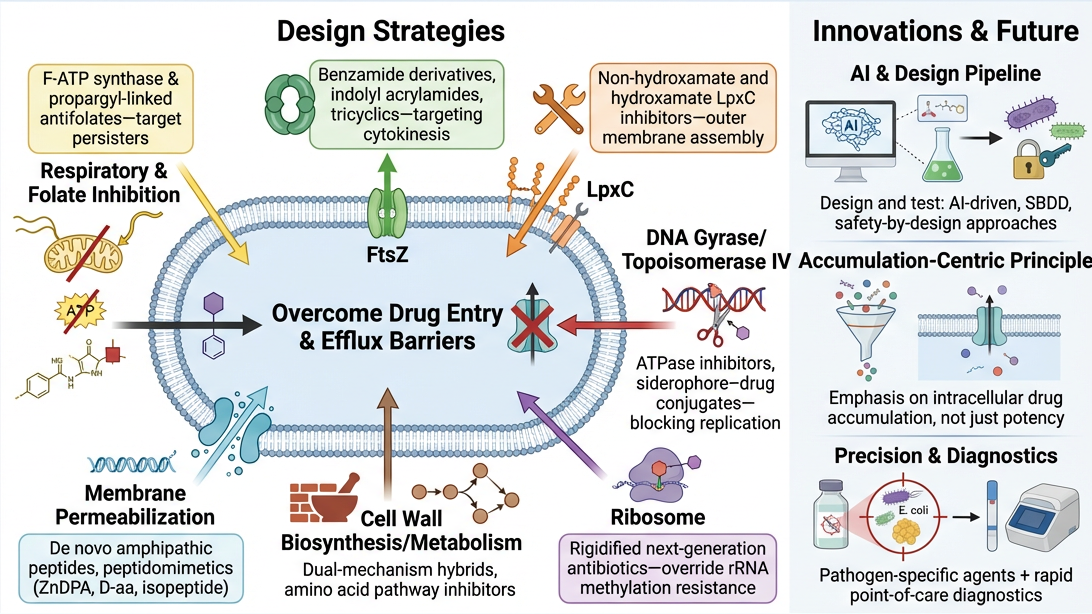
Antimicrobial resistance remains a major global health challenge and continues to erode the clinical utility of many existing antibiotics. This review outlines recent advances in rational antibacterial discovery, with emphasis on fully synthetic, structure-guided scaffolds designed to target essential bacterial processes such as cell division, lipid A biosynthesis, DNA replication, and protein synthesis. While many candidate molecules show strong enzymatic inhibition and promising antibacterial activity in vitro, their progress is often limited by poor Gram-negative permeability, active efflux, a narrow spectrum, and off-target toxicity. Recent efforts are therefore focusing on scaffold optimization, prodrug and conjugation strategies, dual-target agents, and combination regimens to improve delivery, broaden activity, and reduce resistance emergence. In parallel, early evaluation of whole-cell potency, efflux liability, pharmacokinetics, and safety appears increasingly important for identifying viable leads. Overall, the evidence suggests that future success in antibacterial development will likely depend on integrating target potency with physicochemical and pharmacological properties from the earliest stages of design.
Coexisting Granulomatous Mastitis and Breast Cancer: A Systematic Review
Berun A. Abdalla, Zuhair D. Hammood, Diyar Jaafar Hama Rashid, Las L. Hussain, Sabah J. Hasan,...
Introduction: Granulomatous mastitis (GM) is a rare inflammatory breast disease that mimics carcinoma. GM can coexist with breast cancer (BC), though the relationship remains unclear. This systematic review aims to examine the coexistence of GM and BC, focusing on the clinicopathological features of synchronous and metachronous cases.
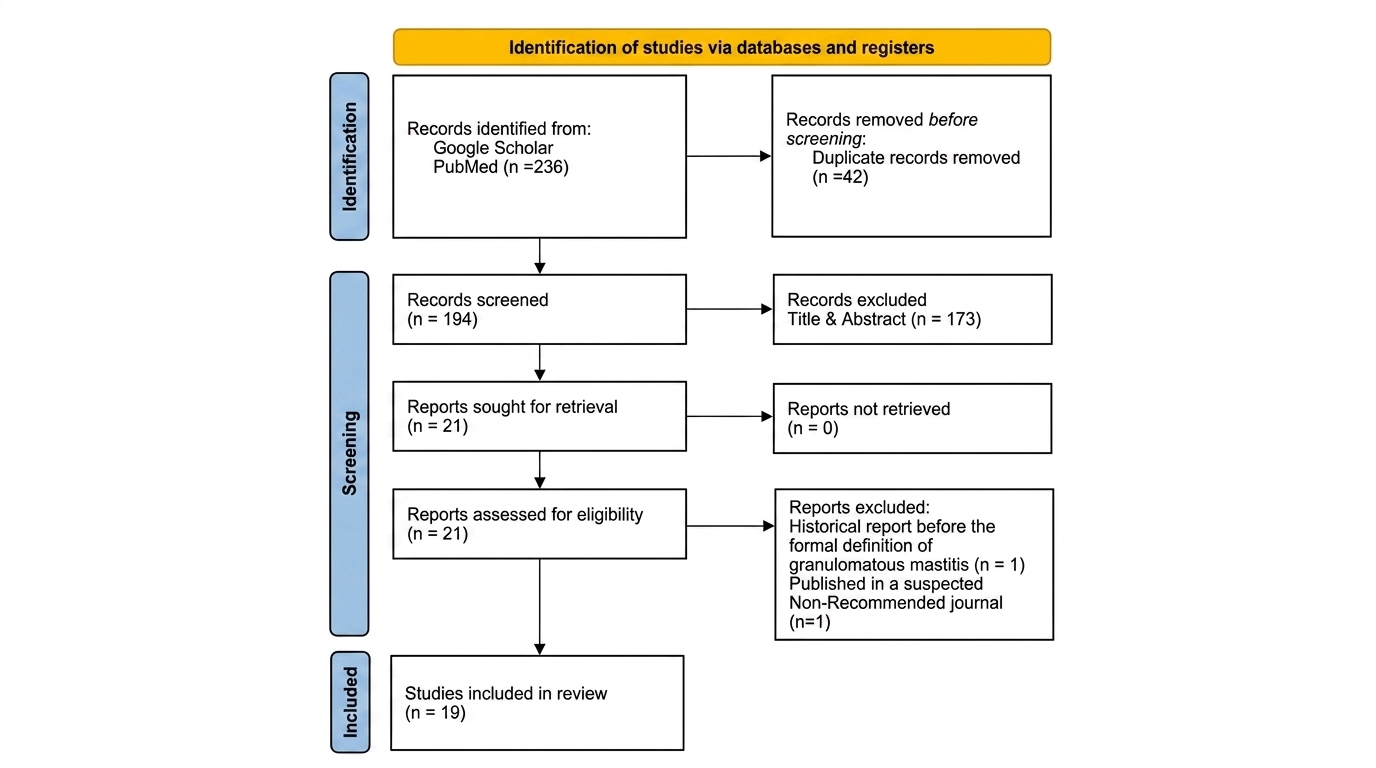
Methods: A systematic search of PubMed/MEDLINE and Google Scholar, up to the 30th November 2025, identified studies reporting individual patient-level data. Inclusion criteria were: (1) patients diagnosed with both BC and GM (concurrently or sequentially); (2) histopathological or imaging confirmation of both conditions. Exclusion criteria were: (1) animal studies; (2) conference abstracts; (3) non-recommended journal publications; and (4) non-English papers. Descriptive statistics were used to summarize categorical variables as frequencies and percentages, and continuous variables as means or medians with ranges.
Results: Nineteen studies (23 female patients; median age of 42 years) were included. Most of the cases were premenopausal 17 (74.0%). Synchronous coexistence occurred in 15 (65.2%), with ipsilateral involvement in 11 (73.3%) of these. Granulomatous mastitis preceded BC in 6 (26.1%) (median interval 3 years), and BC preceded GM in 2 (8.7%). Core needle biopsy diagnosed GM in 9 (39.1%) and BC in 14 (60.9%); excisional biopsy was required in 7 (30.4%) of GM cases. Breast cancer treatment included mastectomy in 11 (47.8%) and breast-conserving surgery in 9 (39.1%). Follow-up ranged from 2–53 months.
Conclusion: Granulomatous mastitis and BC can coexist, with GM potentially masking malignancy. Clinicians should maintain a low threshold for repeat biopsy in refractory cases.
Case Reports
Video-Assisted Thoracoscopic Surgery for Bilateral Giant Pulmonary Hydatid Cysts: A Case Report and Literature Review
Fahmi H. Kakamad, Amanj Khdir Hamad, Harem K. Ahmed, Ayman M. Mustafa, Fattah H. Fattah, Meer...
Introduction: Bilateral giant pulmonary hydatid cysts (HCs) are rare but can lead to serious respiratory complications. Despite growing interest in minimally invasive surgery, the role of Video-Assisted Thoracoscopic Surgery (VATS) in their management remains controversial. This report describes a case of giant bilateral pulmonary HCs managed using a VATS approach.
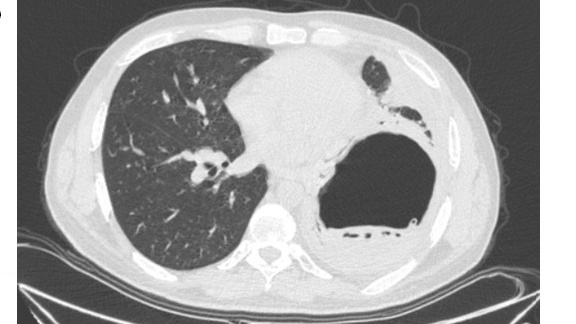
Case presentation: A 34-year-old male presented with chest discomfort, productive cough, and exertional dyspnea. Imaging revealed bilateral giant pulmonary HCs, including an uncomplicated cyst in the right upper lobe and a ruptured, infected cyst in the left lower lobe. The patient underwent single-session bi-port VATS with cyst evacuation, hypertonic saline irrigation, and closure of bronchopleural fistulae. Intraoperative culture grew Pseudomonas aeruginosa, and the patient received albendazole and culture-directed antibiotics, resulting in an uneventful recovery.
Literature review: Among 12 reviewed cases of pulmonary HCs, patients’ ages ranged from 3 to 42 years, with a predominance of males (7/12). Cough was present in all cases, while dyspnea and fever were reported in 50% of the cases. Bilateral cysts were documented in 6 cases. Management included VATS alone in 5 cases, thoracotomy-based surgery in 4, hybrid approaches in 2, and conservative treatment in 1. Complications occurred in 2 cases. Albendazole therapy was administered postoperatively in 7 cases, and overall outcomes were positive, with 11 patients experiencing uneventful recovery.
Conclusion: Bilateral VATS in a single session may be a feasible therapeutic approach for giant pulmonary HCs, even when complicated cysts are present.
Anaplastic Thyroid Carcinoma and Toxic Multinodular Goiter: A Case Report and Literature Review
Abdulwahid M. Salih, Rebaz M. Ali, Rawa M. Ali, Ahmed H. Ahmed, Shko H. Hassan, Hawkar A....
Introduction: Anaplastic thyroid carcinoma (ATC) is a rare thyroid malignancy, comprising approximately 2% of all thyroid cancers, yet accounting for the majority of thyroid cancer-related deaths. ATC is characterized by aggressive behavior and rapid local invasion, leading to life-threatening complications such as airway compromise, dysphagia, and vascular encasement. Longstanding thyroid conditions such as multinodular goiter (MNG) may predispose to malignant transformation into ATC. We report a case of ATC arising in a patient with a decade-long history of toxic MNG, underscoring the potential for severe complications even in seemingly stable thyroid disease.
Case presentation: A 68-year-old female with a 10-year history of toxic MNG presented with neck swelling, dyspnea, and dysphagia. Laboratory findings showed suppressed thyroid-stimulating hormone and elevated free T4. Ultrasonography revealed nodules with macrocalcifications. A total thyroidectomy was performed, and histopathological examination revealed ATC originating from one of the MNG nodules. Postoperatively, she received adjuvant chemoradiotherapy with carboplatin and doxorubicin. Initial imaging showed no metastasis, but after 10 months, a supraclavicular lymph node and posterior lung nodules indicated disease progression. She developed pneumonia during treatment, leading to its discontinuation. Despite restarting therapy, her condition worsened, and she passed away eight months later.
Literature review: A literature review identified six reported cases of ATC arising from MNG published between 2001 and 2020. The duration of MNG before malignant transformation varied from years to decades.
Conclusion: Longstanding MNG may progress to malignancy over time. Early diagnosis and appropriate management of MNGs are critical to minimizing the risk of malignant transformation.
Judi Clinical Journal is a leading open-access journal that covers a wide range of clinical sciences. The journal is dedicated to publishing significant advancements in clinical research that are of importance to specialists across various medical disciplines.
We are committed to providing a streamlined and efficient service for both authors and readers. Our independent editorial team ensures timely and fair publication decisions. Accepted manuscripts are swiftly disseminated to a broad audience through our continuous online publication model, enabling rapid and widespread access to the latest clinical research findings.
We accept submissions including original research, systematic reviews, meta-analyses, review articles, case reports, case series, editorials, letters to the editor, commentaries, perspectives, short communications, and correspondence. The journal primarily focuses on the following areas:
- Evidence-based medicine.
- Public health and healthcare policies.
- Current diseases’ diagnosis and management.
- Clinical pharmacology
- Pathology
- Radiology
- Clinical and applied studies like surgery and innovated techniques, Anesthesiology, Cardiology, Dermatology, Emergency Medicine, Endocrinology, Family Medicine, Gastroenterology, General Surgery, Geriatrics, Gynecology, Hematology, Infectious Diseases, Internal Medicine, Medical Genetics, Nephrology, Neurology, Neurosurgery, Obstetrics, Oncology, Ophthalmology, Orthopedic Surgery, Otolaryngology (ENT), Palliative Care, Pediatrics, Physical Medicine and Rehabilitation, Plastic Surgery, Psychiatry, Pulmonology, Rheumatology, Sports Medicine, Thoracic Surgery, Urology, Vascular Surgery.
Judi Clinical Journal publishes high-quality clinical research, using a rigorous double-blind peer review process to ensure accuracy. The journal releases two issues per year, each featuring at least six peer-reviewed papers. Free and accessible, it promotes knowledge dissemination while upholding excellence through thorough peer review. The journal is published by Barw, which is owned by Smart Health Tower.
Latest Articles
Anaplastic Thyroid Carcinoma and Toxic Multinodular Goiter: A Case Report and Literature Review
Abdulwahid M. Salih, Rebaz M. Ali, Rawa M. Ali, Ahmed H. Ahmed, Shko H. Hassan, Hawkar A....
Introduction: Anaplastic thyroid carcinoma (ATC) is a rare thyroid malignancy, comprising approximately 2% of all thyroid cancers, yet accounting for the majority of thyroid cancer-related deaths. ATC is characterized by aggressive behavior and rapid local invasion, leading to life-threatening complications such as airway compromise, dysphagia, and vascular encasement. Longstanding thyroid conditions such as multinodular goiter (MNG) may predispose to malignant transformation into ATC. We report a case of ATC arising in a patient with a decade-long history of toxic MNG, underscoring the potential for severe complications even in seemingly stable thyroid disease.
Case presentation: A 68-year-old female with a 10-year history of toxic MNG presented with neck swelling, dyspnea, and dysphagia. Laboratory findings showed suppressed thyroid-stimulating hormone and elevated free T4. Ultrasonography revealed nodules with macrocalcifications. A total thyroidectomy was performed, and histopathological examination revealed ATC originating from one of the MNG nodules. Postoperatively, she received adjuvant chemoradiotherapy with carboplatin and doxorubicin. Initial imaging showed no metastasis, but after 10 months, a supraclavicular lymph node and posterior lung nodules indicated disease progression. She developed pneumonia during treatment, leading to its discontinuation. Despite restarting therapy, her condition worsened, and she passed away eight months later.
Literature review: A literature review identified six reported cases of ATC arising from MNG published between 2001 and 2020. The duration of MNG before malignant transformation varied from years to decades.
Conclusion: Longstanding MNG may progress to malignancy over time. Early diagnosis and appropriate management of MNGs are critical to minimizing the risk of malignant transformation.
Video-Assisted Thoracoscopic Surgery for Bilateral Giant Pulmonary Hydatid Cysts: A Case Report and Literature Review
Fahmi H. Kakamad, Amanj Khdir Hamad, Harem K. Ahmed, Ayman M. Mustafa, Fattah H. Fattah, Meer...
Introduction: Bilateral giant pulmonary hydatid cysts (HCs) are rare but can lead to serious respiratory complications. Despite growing interest in minimally invasive surgery, the role of Video-Assisted Thoracoscopic Surgery (VATS) in their management remains controversial. This report describes a case of giant bilateral pulmonary HCs managed using a VATS approach.
Case presentation: A 34-year-old male presented with chest discomfort, productive cough, and exertional dyspnea. Imaging revealed bilateral giant pulmonary HCs, including an uncomplicated cyst in the right upper lobe and a ruptured, infected cyst in the left lower lobe. The patient underwent single-session bi-port VATS with cyst evacuation, hypertonic saline irrigation, and closure of bronchopleural fistulae. Intraoperative culture grew Pseudomonas aeruginosa, and the patient received albendazole and culture-directed antibiotics, resulting in an uneventful recovery.
Literature review: Among 12 reviewed cases of pulmonary HCs, patients’ ages ranged from 3 to 42 years, with a predominance of males (7/12). Cough was present in all cases, while dyspnea and fever were reported in 50% of the cases. Bilateral cysts were documented in 6 cases. Management included VATS alone in 5 cases, thoracotomy-based surgery in 4, hybrid approaches in 2, and conservative treatment in 1. Complications occurred in 2 cases. Albendazole therapy was administered postoperatively in 7 cases, and overall outcomes were positive, with 11 patients experiencing uneventful recovery.
Conclusion: Bilateral VATS in a single session may be a feasible therapeutic approach for giant pulmonary HCs, even when complicated cysts are present.
Coexisting Granulomatous Mastitis and Breast Cancer: A Systematic Review
Berun A. Abdalla, Zuhair D. Hammood, Diyar Jaafar Hama Rashid, Las L. Hussain, Sabah J. Hasan,...
Introduction: Granulomatous mastitis (GM) is a rare inflammatory breast disease that mimics carcinoma. GM can coexist with breast cancer (BC), though the relationship remains unclear. This systematic review aims to examine the coexistence of GM and BC, focusing on the clinicopathological features of synchronous and metachronous cases.
Methods: A systematic search of PubMed/MEDLINE and Google Scholar, up to the 30th November 2025, identified studies reporting individual patient-level data. Inclusion criteria were: (1) patients diagnosed with both BC and GM (concurrently or sequentially); (2) histopathological or imaging confirmation of both conditions. Exclusion criteria were: (1) animal studies; (2) conference abstracts; (3) non-recommended journal publications; and (4) non-English papers. Descriptive statistics were used to summarize categorical variables as frequencies and percentages, and continuous variables as means or medians with ranges.
Results: Nineteen studies (23 female patients; median age of 42 years) were included. Most of the cases were premenopausal 17 (74.0%). Synchronous coexistence occurred in 15 (65.2%), with ipsilateral involvement in 11 (73.3%) of these. Granulomatous mastitis preceded BC in 6 (26.1%) (median interval 3 years), and BC preceded GM in 2 (8.7%). Core needle biopsy diagnosed GM in 9 (39.1%) and BC in 14 (60.9%); excisional biopsy was required in 7 (30.4%) of GM cases. Breast cancer treatment included mastectomy in 11 (47.8%) and breast-conserving surgery in 9 (39.1%). Follow-up ranged from 2–53 months.
Conclusion: Granulomatous mastitis and BC can coexist, with GM potentially masking malignancy. Clinicians should maintain a low threshold for repeat biopsy in refractory cases.
Rational Drug Design Targeting Multidrug-Resistant Microorganisms: A Narrative Review
Khanda A. Anwar, Fattah H. Fattah, Karokh F. Hama Hussein, Ahmed G. Hamasaeed, Rebar A....
Antimicrobial resistance remains a major global health challenge and continues to erode the clinical utility of many existing antibiotics. This review outlines recent advances in rational antibacterial discovery, with emphasis on fully synthetic, structure-guided scaffolds designed to target essential bacterial processes such as cell division, lipid A biosynthesis, DNA replication, and protein synthesis. While many candidate molecules show strong enzymatic inhibition and promising antibacterial activity in vitro, their progress is often limited by poor Gram-negative permeability, active efflux, a narrow spectrum, and off-target toxicity. Recent efforts are therefore focusing on scaffold optimization, prodrug and conjugation strategies, dual-target agents, and combination regimens to improve delivery, broaden activity, and reduce resistance emergence. In parallel, early evaluation of whole-cell potency, efflux liability, pharmacokinetics, and safety appears increasingly important for identifying viable leads. Overall, the evidence suggests that future success in antibacterial development will likely depend on integrating target potency with physicochemical and pharmacological properties from the earliest stages of design.
Multifocal Fibrosing Thyroiditis: A High-Volume Center Experience
Abdulwahid M. Salih, Ari M. Abdullah, Aras J. Qaradakhy, Rawa M. Ali, Karzan M. Salih, Ahmed H....
Introduction: Multifocal fibrosing thyroiditis (MFT) is a rare and underrecognized fibroinflammatory lesion of the thyroid characterized by multiple discrete fibrotic foci with reactive epithelial changes. Its morphologic overlap with papillary thyroid carcinoma (PTC) and its reported coexistence with PTC have generated ongoing debate regarding its clinical and biological significance. The primary aim of this study is to characterize the clinicopathologic features of MFT across a large single-center experience.
Methods: A retrospective case series was conducted at a single endocrine center between October 2022 and January 2026. All patients with histopathologically confirmed MFT were included. Demographic, clinical, laboratory, radiologic, surgical, and histopathologic data were collected and analyzed descriptively.
Results: Twenty-seven patients were identified, with a mean age of 45.1 ± 8 years, of whom 22 (81.5%) were female. Twenty-four patients underwent total thyroidectomy (88.9%). Concurrent PTC was identified in 11 cases (40.7%). Among the 11 PTC cases, 8 (72.7%) were unifocal, and 3 (27.3%) were multifocal.
Conclusion: Multifocal fibrosing thyroiditis is a rare thyroid lesion with distinctive histopathologic features. Greater awareness of this entity may improve diagnostic accuracy and clarify its clinical significance.
Fine-Needle Aspiration Cytology and Salivary Gland Tumors: A Cross-Sectional Study
Aras J. Qaradakhy, Ari M. Abdullah, Karzan M. Salih, Sarwat T. San Ahmed, Mariwan L. Fatah,...
Introduction: Salivary gland neoplasms are relatively rare and diverse, requiring accurate preoperative diagnosis. Although the Milan System for Reporting Salivary Gland Cytopathology (MSRSGC) has improved diagnostic consistency, fine-needle aspiration cytology (FNAC) performance remains variable. This study aims to assess FNAC’s diagnostic accuracy in salivary gland tumors and determinants affecting its performance.
Methods: This cross-sectional study was conducted at a tertiary care center and included patients with suspected salivary gland tumors. The FNAC was performed using a 22–24-gauge needle. All cases underwent histopathological examination. FNAC accuracy was assessed by comparing findings with final histopathological diagnosis, calculating sensitivity, specificity, positive predictive value, negative predictive value, and accuracy. Two diagnostic settings were defined based on MSRSGC categories.
Results: Among 272 FNAC cases, 232 (85.3%) originated from the parotid gland. The mean patient age was 44.90 years, with 151 (55.5%) females. Histopathological examination identified 11 (4.0%) non-neoplastic lesions, 241 (88.6%) benign tumors, and 20 (7.4%) malignant tumors. FNAC sensitivity was 84.6% in Setting 1 and 88.2% in Setting 2. The FNAC success was significantly lower for submandibular gland lesions (OR = 0.218, p-value= 0.002).
Conclusion: Salivary gland FNAC is a minimally invasive, safe, and cost-effective diagnostic technique that may serve as an appropriate first-line investigation in the evaluation of major salivary gland lesions.
Pediatric Pilonidal Sinus Disease: A Single-Center Cohort Study of Clinical and Surgical Outcomes
Abdulwahid M. Salih, Imad S. Sedeeq, Muhammed S. Jaff, Abdullah A. Qadir, Khalis Z.Hamad, Bahman...
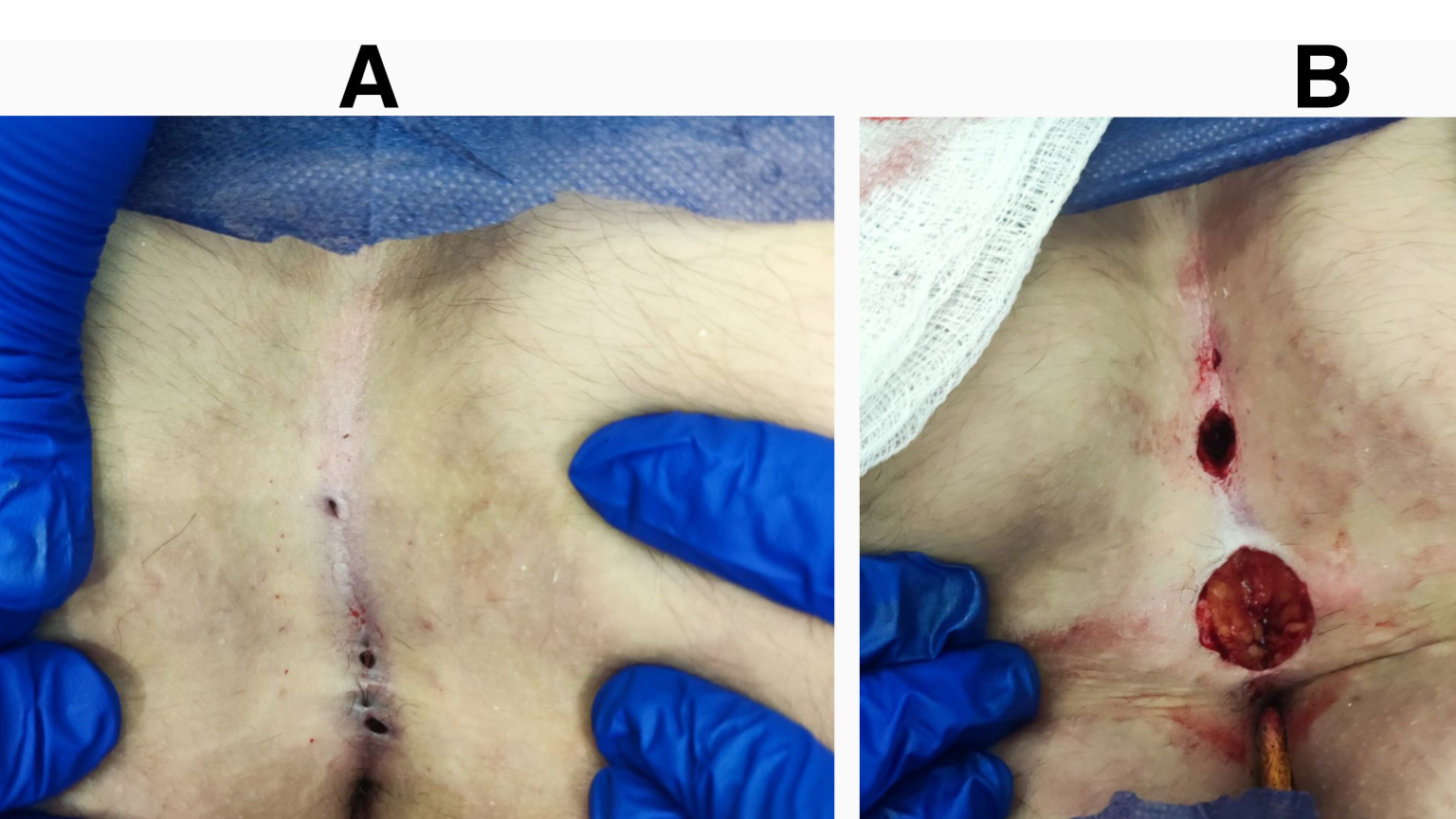
Introduction: Pilonidal sinus disease is increasingly recognized in the pediatric population, yet evidence on its clinical characteristics and surgical outcomes in children and adolescents remains limited. Given this gap, this study aimed to characterize the clinical presentation and surgical outcomes of natal cleft pilonidal sinus in a large pediatric cohort.
Methods: This retrospective cohort study included patients aged ≤18 years diagnosed with natal cleft pilonidal sinus over a five-year period. Clinical and sociodemographic data were extracted from medical records. All patients underwent minimal excision under local anesthesia with healing by secondary intention.
Results: A total of 1,751 patients were included, with a median age of 17 years and a near-equal sex distribution. Family history was positive in 65.8% of cases. Abscess formation was inversely associated with time to presentation (p < 0.001), while granuloma presence was associated with longer disease duration (p < 0.001). Females demonstrated higher abscess rates than males (30.2% vs 20.9%; p < 0.001). A positive family history was associated with earlier presentation (p = 0.007). Healing was achieved in 95.1% of cases, with a recurrence rate of 20.0% at a median follow-up of 36 months.
Conclusion: In pediatric pilonidal sinus disease, abscess and granuloma formation were associated with symptom duration, higher abscess rates in females, and earlier presentation with positive family history. Minimal excision under local anesthesia with outpatient secondary-intention healing warrants prospective comparative evaluation.
Challenging Management of Postoperative Empyema: A Case Report with Literature Review
Hemn H. Kaka Ali, Abeer K. Abass, Ali H. Hasan, Ahmed H. Ahmed, Naser A. Mohammed, Twana O....
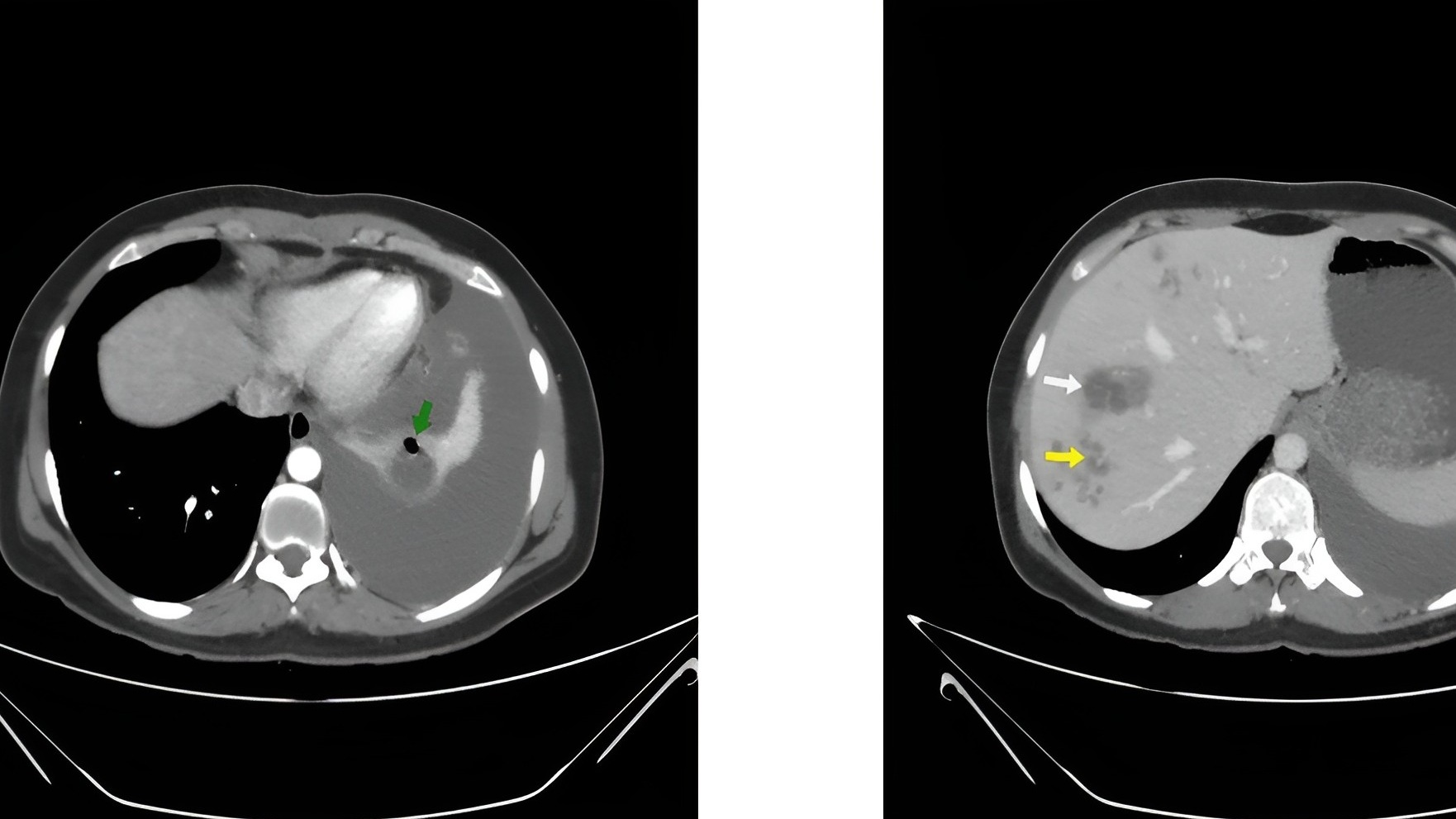
Introduction: Pleural empyema is the collection of pus within the pleural cavity, typically arising as a complication of pneumonia, chest trauma, thoracic surgery, or bacterial invasion of the pleural space. This report presents a case of post-surgical pleural empyema caused by Pseudomonas aeruginosa, successfully managed with a targeted combination of fosfomycin and colistin, with intrapleural lavage.
Case presentation: A 37-year-old male developed epigastric pain 12 days after a laparoscopic near-total gastrectomy. A chest computed tomography scan revealed a right-sided pleural empyema. Ultrasound-guided drainage was performed, followed by the intrapleural instillation of alteplase to facilitate breakdown of the loculated empyema. Pseudomonas aeruginosa was identified as the causative agent. Based on antimicrobial susceptibility, the patient received intravenous fosfomycin and colistin, along with daily pleural lavage using colistin. Inflammatory markers declined, and the patient showed notable clinical improvement.
Literature review: A review of five cases of Pseudomonas aeruginosa pleural empyema was conducted, including two carbapenem-resistant and one extensively drug-resistant case. The mean patient age was 53.8 years, and 60% (3/5) were female. Four of the five cases (80%) were confirmed using computed tomography, and all patients received antimicrobial therapy, most frequently ceftolozane/tazobactam (60%), ciprofloxacin (60%), and colistin (40%). Surgical management was required in 60% of cases, whereas bacteriophage therapy was utilized in 20%. During follow-up, 60% of patients remained stable, 20% experienced repeated hospital admissions during which antibacterial therapy was withheld, and 20% died due to infectious disease.
Conclusion: Pleural lavage combined with antibiotics such as fosfomycin and colistin may provide an effective treatment for postoperative pleural empyema, with early intervention being critical to prevent clinical deterioration.
Fregoli Syndrome: A Case Report and Literature Review
Yadgar N. Abbas, Fattah H. Fattah, Hemin S. Mohammed, Meer M. Abdulkarim, Jihad I. Hama, Amr...
Introduction: Fregoli syndrome is a rare misidentification disorder that can disrupt behavior, endanger safety, and impair quality of life. Its occurrence in young adults is exceptionally uncommon. This report presents a case of Fregoli delusion in a young adult without the usual underlying causes, such as schizophrenia.
Case presentation: A 25-year-old male presented with a two-month history of persecutory delusions, believing that strangers, friends, and professors were disguising themselves to follow and harass him. His psychiatric history was unremarkable, and there was no family history of mental illness. The patient was diagnosed with Fregoli delusion and prescribed Risperidone 2 mg/day, alongside cognitive-behavioral therapy to challenge his delusions. After three months of treatment, he showed gradual improvement, with reduced intensity of delusions but occasional paranoid thoughts.
Literature review: Seven cases of Fregoli delusion were reviewed. Patient ages ranged from 43 to 77 years, with predominant female prevalence (71.4%). Psychiatric histories included delusional schizophrenia, paranoid schizophrenia, and unspecified psychiatric conditions. Medical histories included hypertension, myocardial infarction, Parkinson’s, and diabetes mellitus. Presenting symptoms varied with delusional misidentification, auditory/visual hallucinations, suicidal ideations, delirium, and paranoia. Treatment approaches included risperidone alone or in combination with electroconvulsive therapy, aripiprazole & promazine, and more. Symptom improvement was seen in four cases, and one case achieved full resolution of symptoms.
Conclusion: Fregoli syndrome is a rare condition of multiple etiologies that can present in young patients. Risperidone, combined with cognitive behavioral therapy, may yield fruitful results.